
Payal Gaming Viral Video Link: How People are Watching Their Video and the Reality Behind the Rumors
In the age of advanced Artificial Intelligence, the line between reality and digital manipulation has become dangerously thin. Recently, the Indian gaming community has been shaken by a Payal Gaming viral video link that has sparked a massive debate online. While many viewers are asking how people are watching their video, a larger conversation has emerged regarding the authenticity of the clip and the terrifying capabilities of modern deepfake technology.
The Controversy: Why the Video Looks So Real
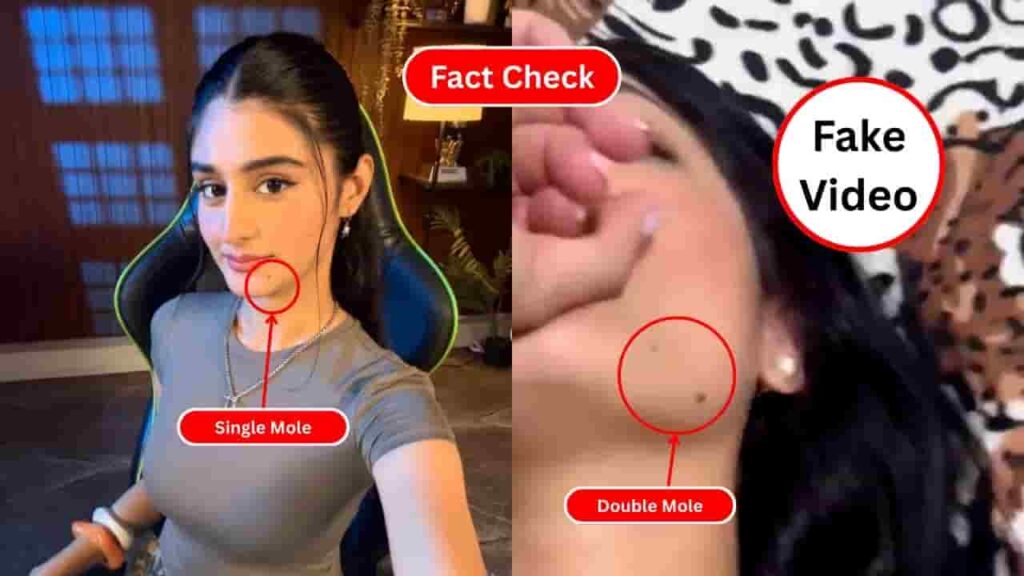
Unlike typical low-quality morphed clips, the video in question has shocked viewers because of its high level of detail. Many social media users have pointed out that physical identifiers—specifically a matching mole on the face—appear to align perfectly with Payal Dhare’s features. This has led to a split in the community: one side believes the footage is real, while the other believes it is a masterpiece of AI manipulation.
Payal Dhare’s Clarification
Payal Dhare (Payal Gaming) has addressed the situation, firmly stating that the video is a Deepfake. In her clarification, she emphasized that these videos are designed to look identical to the target person to cause maximum damage to their reputation.
Payal Gaming Viral Video Real or Fake? The Reality of the MMS Controversy Exposed
Experts in AI forensics explain that “Deepfakes” are no longer just about swapping faces; they can now:




- Map unique skin textures: Including moles, scars, and birthmarks.
- Replicate lighting: Ensuring the skin tone matches the environment.
- Sync micro-expressions: Making the mouth and eye movements look natural.
How People are Watching Their Videos
The search for how people are watching their video has led many into “digital traps.” Most users are finding these clips through:
- Telegram Groups: Private channels that promise “uncut” versions to lure subscribers.
- X (Twitter) Threads: Using viral hashtags to redirect users to third-party ad sites.
- Third-Party Media Players: Sites that force users to click “Allow” on notifications before viewing.
The Risk of the “Viral Link”
While curiosity is driven by the matching physical details in the video, searching for a Payal Gaming viral video link is a high-risk activity. Security analysts warn that these links are the #1 source of:
- Account Hacking: Phishing pages designed to look like Instagram login screens.
- Data Mining: Scripts that scrape your phone’s contact list and gallery.
- Identity Theft: Using your curiosity to install hidden tracking software.
Reality vs. AI
Viral Videos: To See the Clip Everyone is Talking About, Follow This Link/Guide
The debate over the mole and the physical accuracy of the video highlights why Deepfakes are the biggest threat to creators in 2025. Whether the footage is an incredibly sophisticated AI creation or not, the spread of such content without consent is a serious legal and ethical issue. As the digital world evolves, the only way to stay safe is to rely on official statements from creators and avoid clicking on suspicious links that promise “leaks.”