
The Heartbreak and Hope of “Punch the Monkey” Why the Internet is Obsessed with a Tiny Macaque
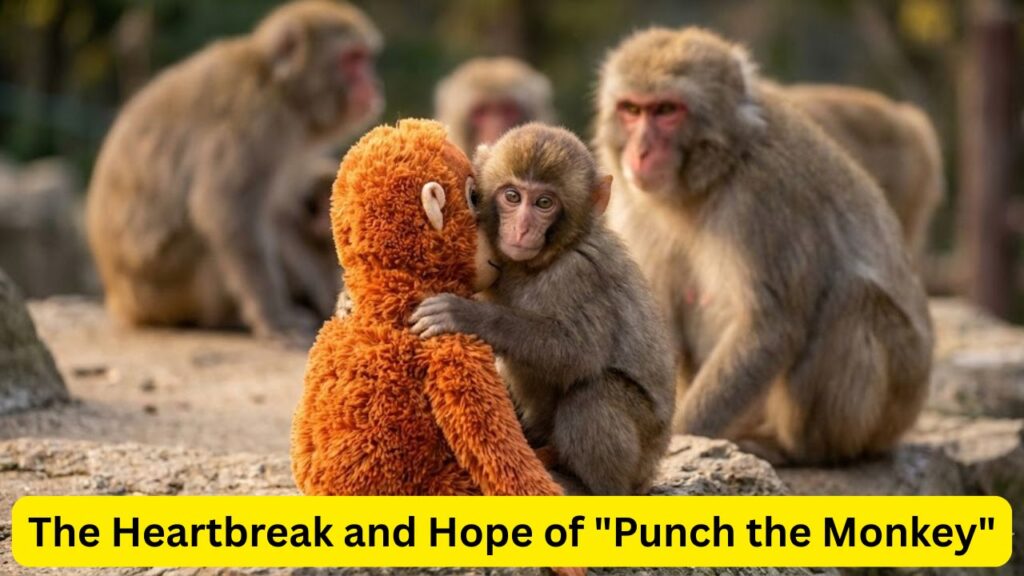
If you’ve logged onto X (formerly Twitter), TikTok, or Instagram recently, you have likely encountered a tiny, bewildered monkey clutching a bright orange stuffed animal much larger than himself.
This is Punch. And for the past few weeks, his life story—a miniature saga of abandonment, resilience, harsh social lessons, and unlikely friendship—has captivated the global internet. The trend “Punch the Monkey” isn’t just about a cute animal video; it’s an emotional rollercoaster that has sparked fierce debates about nature, nurture, and our human impulse to protect the vulnerable.
Here is a comprehensive breakdown of why the world is watching a baby monkey in Japan, answering the most common questions about the viral phenomenon.
1. Who Is Punch? (The Basics)
Name: Punch (often referred to locally as Panchi-kun). Species: Japanese Macaque (Snow Monkey). Age: Approximately seven months old (born July 2025). Location: Ichikawa City Zoo in Chiba Prefecture, Japan.
Punch is not a pet; he is a zoo resident living in a complex social group of macaques. His current fame stems from his unique and somewhat tragic start to life.




2. The Origin Story: Why the Plushie?
The emotional core of Punch’s virality lies in his infancy. Shortly after birth, Punch’s mother—likely overwhelmed as a first-time parent—abandoned him.
In the wild, this would have been a death sentence. In the zoo, keepers stepped in to hand-raise him. However, infant primates have profound biological and psychological needs beyond mere sustenance. They require constant physical contact, warmth, and something to cling to for security, which aids in their muscle development and emotional regulation.
Lacking a biological mother, keepers provided Punch with a surrogate: a large, shaggy, orange orangutan plushie from IKEA.
Punch imprinted on the toy immediately. The initial wave of viral videos showed him dragging the plushie (which fans dubbed “Ora-mama”) everywhere, sleeping curled into its fur, and retreating to it whenever he felt threatened. It was simultaneously undeniably cute and deeply sorrowful.
3. Why Is He Trending Right Now? The “Bullying” Controversy
While the initial videos were heartwarming, the trend exploded recently due to a darker turn in Punch’s story: his reintegration into the monkey troop.
For a monkey to survive socially, they must live with their own kind, not just human keepers and stuffed toys. The zoo began the necessary, but difficult, process of introducing Punch to the adult macaques.
The Viral Spark: Footage emerged of Punch being treated harshly by older monkeys. Videos showed him being grabbed by the tail, dragged across the dirt enclosure, scolded, and nipped at. In every instance, a terrified Punch would scramble back to hide behind his orangutan plushie.
The internet reacted with visceral protective rage. The hashtag #HangInTherePunch trended globally. Users accused the zoo of negligence, begging them to intervene and stop the “bullying.” Many found it unbearable to watch a human-raised baby, who knows only kindness, be subjected to the brutality of the animal kingdom.
4. The Hard Truth: The Expert Perspective vs. Human Emotion
This is where the story gains complexity. Why were the zookeepers just standing there filming while Punch was dragged around?
The answer lies in the difference between human societal norms and macaque social structures.
According to primatologists and the Ichikawa City Zoo officials, what looks like abuse to humans is often necessary “hazing” and social education in monkey society. Japanese macaques live in strict, hierarchical troops. To be accepted, a newcomer—especially a low-ranking infant with no mother to defend him—must learn his place.
The Zoo’s Stance: The keepers explained that if they constantly intervene to “save” Punch, the other monkeys will never accept him. He would remain an outsider, forever dependent on humans, which is a poor quality of life for a zoo animal. He must learn to read social cues, submit to superiors, and navigate conflict. The rough treatment, painful as it is to watch, is his tuition for joining the troop.
The internet’s reaction is a classic case of anthropomorphism—projecting human emotions and morality onto animal behavior. We see a human child being bullied; the monkeys see a new troop member learning the pecking order.
5. The Turning Point: A Glimmer of Hope
Just as the online outrage reached a fever pitch, the narrative shifted again.
Newer videos have shown breakthroughs. An adult female monkey named Onsing was filmed approaching a cowering Punch not to attack him, but to groom him. In primate society, grooming is a massive olive branch—a sign of acceptance, bonding, and trust. Punch, still nervous, allowed it.
These moments of tenderness have provided immense relief to the millions emotionally invested in his journey.
6. Real-World Impact: IKEA and Crypto
The digital fame of Punch has bled into the real world in bizarre and heartwarming ways:
- The IKEA Donation: Recognizing that their product had become the world’s most famous emotional support object, IKEA Japan visited the zoo. They donated a literal mountain of replacement orangutan plushies to ensure Punch (and the other monkeys) would never be without one.
- The Meme Economy: In true internet fashion, the story spawned cryptocurrency memecoins, with some tech figures even donating large sums to the zoo in Punch’s name.
Summary: Why We Care
Punch the Monkey is trending because he represents a universal struggle. He is an orphan trying to find his place in a tough world, clinging to the only comfort he knows. His story forces viewers to confront the harsh realities of nature while desperately hoping for a happy ending for a small, resilient creature.